Best Headphones & Microphones for Every Budget (2026)
Last updated: May 2026
Good audio is felt before it's understood. Whether you're mixing music, gaming, or just tired of hearing every noise in your office, these picks represent the best sound per dollar at every price point.
Editor's Note
“I have described the Sennheiser HD 650 to at least six people as 'it sounds like the band is in the room.' Two of those people bought them. One of them stopped talking to me because they can't stop buying more audio gear now. I regret nothing.”
— The TotalTechPicks Team
Filter by Price
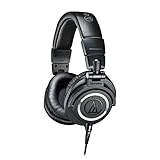
The world's best-selling studio headphones. Accurate flat response perfect for mixing, mastering, and critical listening. Collapsible, comfortable, and built to last a decade.
✓ Pros
- ✓ Flat accurate sound signature
- ✓ Folds flat for travel
- ✓ Industry standard for audio pros
✗ Cons
- ✗ Not wireless
- ✗ Clamping force can fatigue ears

Closed-back studio reference headphones with exceptional soundstage and deep bass response. German engineering. Velour ear cushions. If you sit at a desk all day, your ears deserve these.
✓ Pros
- ✓ Exceptional comfort
- ✓ Deep accurate bass
- ✓ Replaceable parts
✗ Cons
- ✗ 80 Ohm needs an amp/DAC ideally
- ✗ Long non-detachable cable
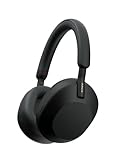
Industry-leading ANC, 30-hour battery, multipoint connection to 2 devices, and call quality that blows every other wireless headphone away. The best daily driver headphone on the market.
✓ Pros
- ✓ Best-in-class noise cancelling
- ✓ 30hr battery
- ✓ Multipoint Bluetooth
✗ Cons
- ✗ Doesn't fold flat for travel
- ✗ Premium price
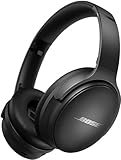
Legendary Bose ANC in the most comfortable headphone you'll ever wear. 24hr battery, folds flat, works wired or wireless. The headphone that made 'noise cancelling' a household term.
✓ Pros
- ✓ Legendary Bose ANC
- ✓ Most comfortable headphone ever
- ✓ Folds flat for travel
✗ Cons
- ✗ Sound signature is somewhat neutral (some want more bass)
- ✗ No LDAC
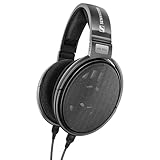
The audiophile reference. Open-back velvet-smooth soundstage that closed-back headphones literally cannot replicate. 300 Ohm requires a DAC/amp — but then the sound is transcendent.
✓ Pros
- ✓ Audiophile-grade soundstage
- ✓ Open-back natural sound
- ✓ Replaceable everything
✗ Cons
- ✗ Requires DAC + amp
- ✗ Sound leaks out (bad for offices)

The most popular audio interface in the world. Plug in an XLR mic and go from noisy to pristine. Required for the SM7B and any XLR microphone. Plug-and-play on Mac and PC.
✓ Pros
- ✓ Pristine preamp quality
- ✓ No drivers needed (USB-C)
- ✓ Air mode adds analog warmth
✗ Cons
- ✗ Single channel (get Solo 2i2 for two mics)
- ✗ No MIDI I/O
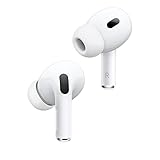
H2 chip, 2x better ANC, Adaptive Audio transparency mode, lossless audio with Apple Vision Pro, Conversation Awareness, and 30hr total battery. The earbud benchmark.
✓ Pros
- ✓ Best ANC + transparency combo
- ✓ Lossless audio via USB-C
- ✓ Conversation Awareness
✗ Cons
- ✗ Apple ecosystem only for full features
- ✗ Premium price
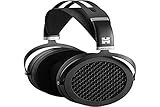
Planar magnetic drivers deliver a soundstage that dynamic headphones physically cannot match at this price. Ultra-detailed, flat response, and a build that feels expensive.
✓ Pros
- ✓ Planar magnetic technology
- ✓ Exceptional soundstage
- ✓ Audiophile clarity
✗ Cons
- ✗ Requires amp/DAC
- ✗ Heavier than dynamic headphones

Cardioid condenser USB mic with an adjustable desk arm included. Records podcasts, music, gaming sessions, and voice-overs in rich quality — and the arm alone would cost $20 on its own.
✓ Pros
- ✓ Arm stand included
- ✓ Rich condenser sound under $50
- ✓ Plug-and-play
✗ Cons
- ✗ Arm isn't super sturdy
- ✗ No gain knob
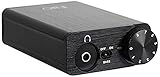
FiiO E10K USB DAC Amplifier
Optical out, bass boost switch, 32-150 Ohm output power. The entry-level DAC/amp that transforms your computer's terrible audio into something audiophiles actually respect.
✓ Pros
- ✓ Massive sound upgrade from PC audio
- ✓ Works with 32-150 Ohm headphones
- ✓ Optical output
✗ Cons
- ✗ No balanced output
- ✗ USB-B (older connector)

IP67 waterproof, 20hr playtime, JBL PartyBoost for pairing 100+ speakers, USB-A output to charge phones, and a USB-C input for charging. The outdoor speaker that powers the whole party.
✓ Pros
- ✓ 20hr battery
- ✓ USB-A phone charging port
- ✓ JBL PartyBoost multi-speaker
✗ Cons
- ✗ Large and heavy for portability
- ✗ No speakerphone mic
Buying Guide — What to Look For
Closed vs open-back: choose your use case
Closed-back headphones isolate sound — good for offices, recording, commuting. Open-back lets sound breathe — better soundstage, more natural, but everyone near you can hear your music. Open-back at home. Closed-back everywhere else.
Impedance: do you need an amp?
Headphones below 50 Ohm plug directly into phones and computers. 80-150 Ohm (DT 770 Pro) benefit from a DAC/amp but work fine without one. 300 Ohm (HD 650) REQUIRE a DAC/amp to sound their best. Don't buy 300 Ohm without one.
For mixing: flat response only
Consumer headphones like Sony XM5 are tuned for enjoyment — boosted bass and treble. Studio headphones like ATH-M50x are tuned flat for accuracy. If you're mixing music, get studio cans. If you're listening to music, consumer is fine.
USB mics vs XLR mics: the real tradeoff
USB mics (Blue Yeti, FiFine K669B) are plug-and-play and sound great. XLR mics (SM7B, PodMic) sound better but require an audio interface. USB if you're starting out. XLR when you're serious about quality.
Our Verdict
The ATH-M50x is the most recommended headphone on this entire website — it's the reference against which every other headphone in its price range is judged. Get it if you're serious about audio. Then, when you inevitably want to go deeper, the DT 770 Pro and HD 650 are waiting. Fair warning: this hobby has no floor.
Was this helpful? Share it.
← Back to all picks